
What Bedroom Furniture Helps Simplify Daily Routines
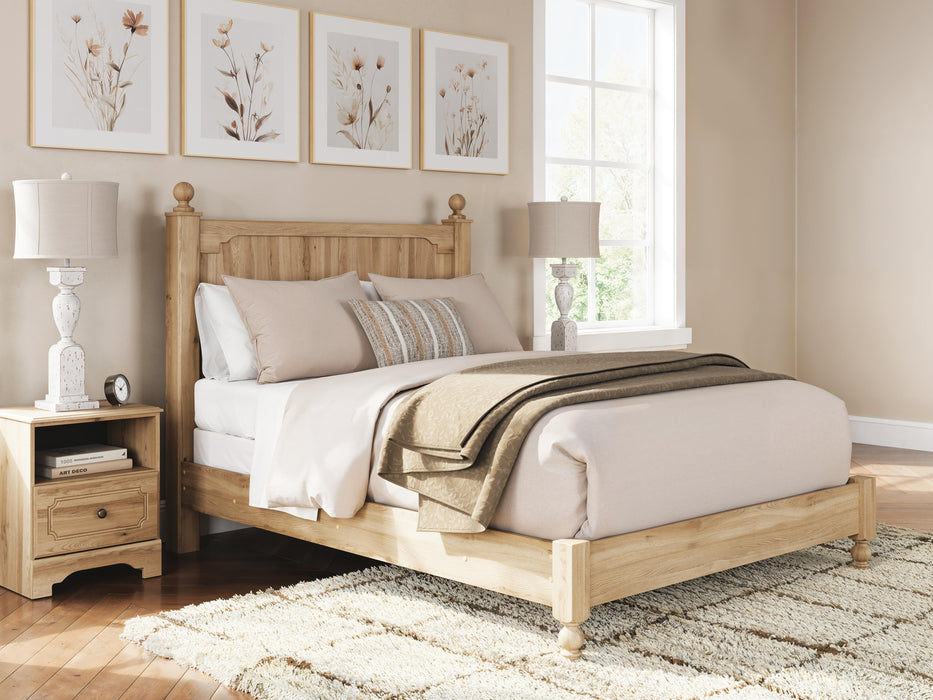
The right bedroom furniture can shorten your mornings, calm your evenings, and cut daily clutter without requiring a complete room makeover. This isn’t about aesthetics alone; it’s about choosing pieces that actively support how you move through your day. Thoughtful bedroom decor choices, such as cohesive furniture selections and calming colors, can enhance both the look and functionality of your space, making it easier to maintain routines and fostering a tranquil, clutter-free environment.
This article focuses specifically on furniture choices that streamline common routines: waking up, getting dressed, and winding down at night. We’ll skip general decor advice and zero in on what bedroom furniture actually makes a measurable difference in daily life. Simplifying routines comes down to better flow, smarter storage, and furniture that matches real-life habits in today’s homes, where compact bedrooms and multi-purpose spaces are increasingly common.
Start With the Bed: The Center of Your Morning and Night
The bed affects your wake-up time, bedtime habits, and room flow more than any other furniture piece in your bedroom. It’s typically the largest item, occupies the most floor space, and anchors every other furniture placement decision you make.
Platform beds or low-profile bed frame options can make making the bed faster each morning and visually reduce bulk in small or medium rooms. Without a bulky box spring or ornate footboard, these designs create open space underneath and around the bed, which makes the room feel less cramped and more organized. When the bedroom feels calm and manageable, you’re more likely to maintain it.
Choosing the right size matters more than people expect. Placing a king-size bed in a tight 10’ x 10’ room blocks walking paths and creates rushed, stressful mornings where you’re shuffling sideways just to reach the closet. In tighter rooms, a queen or even a full-size bed often makes more sense, giving you enough space to move freely and keep a clear path between the bed and door.
Bed placement also affects how you start your day. Position the bed so you can get natural light on your face in the morning, which helps regulate your sleep quality and makes waking up easier. At the same time, you should be able to see the door easily when lying down; this subtle positioning detail helps the space feel secure and supports rest.
Consider the mattress and frame height together. A bed that’s too low makes sitting down and standing up awkward, especially first thing in the morning. A height that lets you sit with feet flat on the floor and stand without straining makes the bed easier to get in and out of, and easier to make every day. Small details like this add up across months of everyday use.

Storage Beds That Cut Clutter Without Adding Furniture
A storage bed with drawers or a lift-up platform can replace separate bins, boxes, or an extra chest entirely. By providing integrated storage solutions, storage beds help reduce bedroom clutter, keeping the room organized and visually calm. Instead of adding furniture pieces to hold seasonal clothing, extra sheets, or bulky items like spare blankets, you integrate that storage directly into your bed frame.
Drawer storage works best for everyday items you access frequently, gym clothes, spare bedding, and loungewear. You pull open a drawer, grab what you need, and close it. Lift-up platforms, on the other hand, excel at storing bulky items you rarely touch: off-season boots, holiday decorations, luggage. Because lifting the entire mattress takes more effort, this setup suits items you retrieve monthly rather than daily.
Here’s a concrete example: storing your entire off-season wardrobe in under-bed storage keeps your dresser drawers free for current clothing. Instead of digging past winter sweaters to find a summer shirt, you see only what’s relevant now. Morning decisions get faster, and your main clothing storage stays organized.
Drawers need 24–30 inches of clearance to open fully, so they work best where the walking path is wider. If your bedroom design places the bed against a wall on one side, choose a frame with drawers only on the accessible side.
Soft-close hardware and a sturdy frame are worth paying for because these drawers get opened and closed multiple times a day. Budget mechanisms fail after roughly 5,000 cycles, about three years of daily use. Good furniture lasts longer and keeps the bedroom easier to maintain over time.
Storage beds directly support faster daily routines by keeping frequently used items within arm’s reach while hiding everything else from view.
Headboards That Support Real Habits
A headboard with integrated shelves, narrow cubbies, or hidden compartments keeps glasses, books, and devices within reach without cluttering your bedside tables. Instead of a purely decorative piece, you get functional storage that actually serves your nightly and morning habits.
Shallow, symmetrical storage behind or beside the bed can replace overloaded nightstand tops entirely. A narrow ledge across the headboard gives you a spot for your phone, a glass of water, and reading glasses, the essentials you reach for every night. This reduces clutter and cuts the time spent searching each evening when you’re trying to wind down.
Be cautious with overly busy or open headboard storage if you want a visually calm bedroom. Shelves stuffed with random items create visual noise that makes it harder to feel calm at bedtime. Half-closed designs or headboards with just one or two concealed panels offer storage without visual clutter. Look for clean lines and enough space to store items without cramming.
Bedroom Design Principles for Streamlined Routines
Designing a bedroom that truly supports your daily routines starts with a few key principles that blend function, comfort, and style. The goal is to create a space that feels calm, organized, and easy to navigate, no matter the size of your room. By focusing on space efficiency, smart furniture placement, and the right mix of furniture pieces, you can transform your bedroom into a clutter-free zone that encourages relaxation and improves sleep quality.
One of the most effective ways to maximize space in any bedroom is to choose multifunctional furniture. A storage bed with built-in storage, like drawers or hidden compartments, lets you keep extra sheets, seasonal clothing, or bulky items out of sight, freeing up valuable floor space. This approach is especially useful in compact bedrooms, where every inch counts and reducing clutter is essential for a calm environment.
Natural light plays a big role in both your mood and your sleep quality. Position your bed frame so it benefits from morning sunlight, which helps regulate your body’s natural rhythms and makes waking up easier. At the same time, invest in window treatments such as blackout curtains or blinds to control light levels when you need a restful, dark space for sleep. The right window treatments can make the entire room feel more versatile, bright, and energizing by day, cozy and restful by night.
Furniture placement is another crucial element of streamlined bedroom design. Arrange your bed and other furniture to create a clear path from the door to the bed and around the room. Avoid blocking windows or doors, which can make the space feel cramped and disrupt the flow. Instead, opt for clean lines and minimalist layouts that keep the room feeling open and easy to move through.
Incorporate multi-functional furniture wherever possible. A dresser with a mirror can double as a vanity, while a storage ottoman at the foot of the bed offers both seating and hidden storage for extra bedding or out-of-season clothes. These smart furniture pieces help keep all the storage you need close at hand without crowding the room with extra furniture.
For even more space efficiency, use wall-mounted shelves, hooks, or slim storage units to keep everyday items off the floor and out of the way. This is especially helpful in small bedrooms, where open space is at a premium. Natural textures and a limited color palette can further enhance the room’s calming feel, reducing visual clutter and making the space feel more restful.
Nightstands That Actually Support Morning and Night Routines
Nightstands become command centers for sleep and wake-up: alarms, phones, books, medication, and water all end up here. The difference between a functional nightstand and a frustrating one often determines whether your morning starts smoothly or chaotically.
Ideal height places the top roughly level with the top of your mattress. This lets you reach your alarm or glass of water without straining or fumbling in the dark. When nightstand height feels wrong, you’ll notice it every single night.
Look for at least one drawer plus an open shelf. Nightstands with multiple drawers offer even more organization, allowing you to categorize personal items and further reduce clutter, which streamlines your daily routines. The drawer separates daily essentials from the surface, while the shelf gives you a spot for a current book or tablet. This two-zone approach prevents the pile-up that happens when everything sits on top.
Cable-friendly designs matter in 2024. Look for discreet cutouts or rear channels so charging cords and power strips don’t tangle or visually clutter surfaces. A built-in wireless charging pad or USB ports can eliminate even more cord chaos.
In shared bedrooms, a pair of functional nightstands improves symmetry and reduces arguments about storage. Each person gets their own drawer space, their own surface, and their own charging setup. This small investment in extra storage pays off in daily peace.
Nightstand Storage Strategies for Faster Mornings
A simple system transforms your nightstand from a catch-all into a routine accelerator. Reserve the top drawer for nightly items: eye mask, hand cream, lip balm, whatever you reach for before sleep. The bottom drawer or shelf stores weekly-use items like notebooks, spare cables, or a backup phone charger.
Picture this morning routine: your phone, watch, and glasses always live in the same spot inside the top drawer. Even when half asleep, you can get ready quickly because muscle memory takes over. No searching, no stress.
Inside the drawers, small organizers or trays corral keys, jewelry, and earphones that would otherwise get lost in the back corners. These dividers take two minutes to set up but save countless minutes over months of everyday use.
Keep only current books and one notepad on the nightstand surface. This reduces visual noise and cuts dusting time. A clean surface also helps the room feel less chaotic, which can encourage relaxation and improve sleep quality.
Dressers, Chests, and Armoires That Speed Up Getting Dressed
Your clothing storage directly affects how long it takes to get ready and how often laundry piles up on that chair in the corner. The right piece, organized properly, eliminates the daily friction of searching for a matching pair of socks or a specific shirt.
Low, wide dressers give you an easier overview of folded outfits and work well in larger rooms where you have wall space to spare. Tall chests occupy less floor space and make more sense in narrow rooms or compact bedrooms where every square foot counts.
Organize drawers by category to remove decision friction. Top drawers hold undergarments and sleepwear, items you grab first thing. Middle drawers store daily tops using file-fold methods, which let you see 20–30% more items at a glance without height overflow. Lower drawers hold jeans, loungewear, and bulky sweaters stored flat to avoid wrinkles.
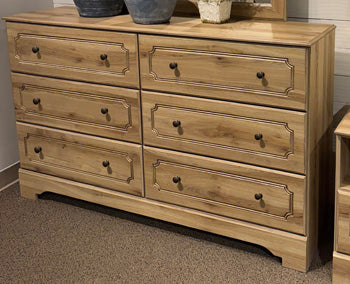
Soft-close drawers, consistent drawer depths, and smooth glides matter more than you’d think when drawers get opened dozens of times a week. A dresser with sticky or uneven drawers creates friction every morning and often leads to clothes getting shoved in haphazardly. Dressers with modern design elements, such as clean lines and minimal hardware, not only look stylish but also help maintain a clutter-free and functional bedroom.
Armoires or wardrobes that combine hanging space with shelving can replace a second dresser in rooms with small closets. If your closet holds only a fraction of your wardrobe, a well-designed armoire provides all the storage you need for seasonal clothing and everyday pieces alike.
Choosing the Right Scale for Clothing Storage
An oversized pieces dresser in a small bedroom can block pathways and make laundry folding inconvenient, even if it technically holds more items. The goal is space efficiency, not maximum capacity.
In rooms under 11’ x 11’, tall chests often work better than very wide dressers. They provide ample drawer space while keeping floor space open for movement. You avoid the feeling of furniture crowding every wall.
Leave 30–36 inches of clear walking space in front of dresser drawers so you can fully open them without shuffling sideways. If you’re constantly stepping back and adjusting position just to access your clothes, the furniture placement needs adjustment.
Consider mounting a mirror above a medium-height dresser to create a quick dressing station. This eliminates the need for a separate vanity and gives you a spot to check your outfit before leaving, all within the same square footage.
Multi-Functional Furniture That Combines Sleep, Storage, and Work
In compact rooms, one piece doing two or three jobs can reduce clutter and simplify layouts significantly. In a small space, multi-functional furniture is especially valuable because maximizing every square foot is essential for comfort and efficiency. Multi-functional furniture isn’t about compromise; it’s about making every item in your bedroom work harder.
Concrete examples include storage benches at the foot of the bed, storage ottomans with hinged lids, and daybeds with trundles for guest use. Each piece serves its primary purpose while also providing hidden storage or flexible seating.
Combining seating and storage near the bed gives you a place to put on shoes, fold laundry, or pack a bag without adding extra furniture. This matters in compact bedrooms where every piece must justify its floor space.
Choosing multi-purpose pieces helps keep floors visible and easy to clean, which reduces weekend reset time. When you can vacuum around furniture without moving six different items, maintaining a clutter-free space becomes realistic rather than aspirational.
Bedroom Benches and Ottomans That Work Hard Daily
Storage benches with hinged tops store extra blankets, pillows, or out-of-season shoes within arm’s reach of the bed. You lift the lid, grab what you need, and close it. Everything stays hidden but accessible.
A bench around 18–20 inches high works for sitting while dressing, and should leave at least 24 inches clearance to walk around the bed. This height also makes it easy access for getting shoes on and off, which speeds up morning and evening transitions.
A small storage ottoman beside a chair or window serves as both a footrest and a place to store reading materials or yoga gear. These pieces typically offer 40–60 liters of hidden volume, enough for a few blankets or a full collection of workout equipment.
Choose durable, easy-to-clean fabrics if the piece will double as a landing spot for bags or gym clothes every day. Lighter colors show dirt faster, while textured fabrics hide wear better. Practicality beats aesthetics when a piece gets touched multiple times daily.
Desks and Vanity Hybrids for Blended Spaces
Many bedrooms now double as home offices or dressing areas, especially in apartments and smaller homes. A single piece that handles multiple roles saves space and keeps the bedroom organized without adding duplicate furniture.
A slim desk with drawers can serve as a work surface by day and a vanity in the morning or evening with a mirror mounted above. The same surface holds a laptop during work hours and makeup during your getting-ready routine.
Cable management features and a dedicated drawer for tech let you quickly “hide work away” after hours. This mental separation between rest and work improves sleep quality by reducing the constant reminder of unfinished tasks.
Here’s a practical example: store your laptop in the center drawer when work ends, and keep makeup or grooming tools in a side drawer. Switching functions takes seconds, and neither role clutters the other. The space feels intentional rather than chaotic.
Smart Layout and Supporting Pieces That Keep Routines Smooth
Even the best bedroom furniture fails if placed poorly or if key supporting pieces are missing. Bedroom design involves more than selecting beautiful items; it requires thinking about how you actually move through the space.
Start by mapping main “routes” in the room: bed to door, bed to closet, bed to bathroom. Keep these paths at least 30 inches wide. When walking paths feel cramped or when door swings block furniture, mornings become frustrating obstacle courses.
Place tall pieces away from windows to let natural light reach the bed, dresser, and mirror for easier mornings. Light makes getting dressed faster and helps the room feel more spacious overall.
Supporting storage like wall-mounted shelves, over-door hooks, or a narrow wardrobe can reduce stress by eliminating piles on chairs and floors. These solutions help keep the space organized and ensure that everything has its place, making daily routines smoother. These smaller additions don’t replace your main bedroom set but fill the gaps that cause everyday clutter to accumulate.
Lighting and Surfaces That Support Daily Tasks
Having a dedicated surface for keys, watches, and wallets near the bedroom door simplifies leaving the house. A small console or shallow wall-mounted shelf by the door catches items you need when walking out. No more patting pockets or searching nightstand drawers.
Adjustable bedside lamps or wall-mounted sconces free up nightstand space while still allowing comfortable reading and low-light winding down. Window treatments that block light when needed but open fully in the morning help regulate the natural rhythms of your sleep-wake cycle.
Dimmable lighting near the bed and brighter task lighting near the dresser or vanity help separate “getting ready” from “getting sleepy.” This distinction matters. Your bedroom should support both energizing mornings and calming evenings.
Consider this evening routine: thirty minutes before sleep, you switch on a single low lamp and turn off overhead lights. The room signals that it’s time to wind down. The dresser area stays dark while the bed area stays calm and uncluttered. Small lighting decisions play a major role in how the space functions.

How to Choose Bedroom Furniture Based on Your Routines
The simplest way to pick the right furniture is to analyze your current routines: how you wake up, dress, work, relax, and sleep each day. Pay attention to where you get stuck, what causes frustration, and where clutter accumulates despite your best efforts.
List three daily frustrations in your bedroom. Maybe there’s no place to set tomorrow’s clothes. Maybe your nightstand overflows with random items. Maybe your dresser drawers stick and make getting dressed feel wrong. Choose one furniture change per problem. This targeted approach delivers results without overwhelming your budget or your room.
Prioritize high-impact pieces first. Your bed and nightstands anchor the room and affect multiple routines, so start there. Then address the main clothing storage, a dresser or chest that actually works for your wardrobe size. Finally, consider multi-functional add-ons like benches or ottomans that provide extra storage without consuming floor space.
Before ordering any large storage pieces, measure your room carefully. Include door swings, window positions, and the clearance needed for drawers to open fully. A piece that looks perfect online can make the room feel cramped if it blocks natural walking paths or crowds other furniture.
The right furniture doesn’t need to cost a fortune or require a complete renovation. Creating functional spaces happens through thoughtful, incremental choices. Start with your biggest friction point, solve it with one strategic piece, and notice how the improvement ripples through your daily life. Small changes in your bedroom, organized correctly, can transform how you start and end every day, reducing stress, supporting well-being, and making room for routines that actually work.
Get Your Bedroom Furniture at Casa Bella Furniture Today
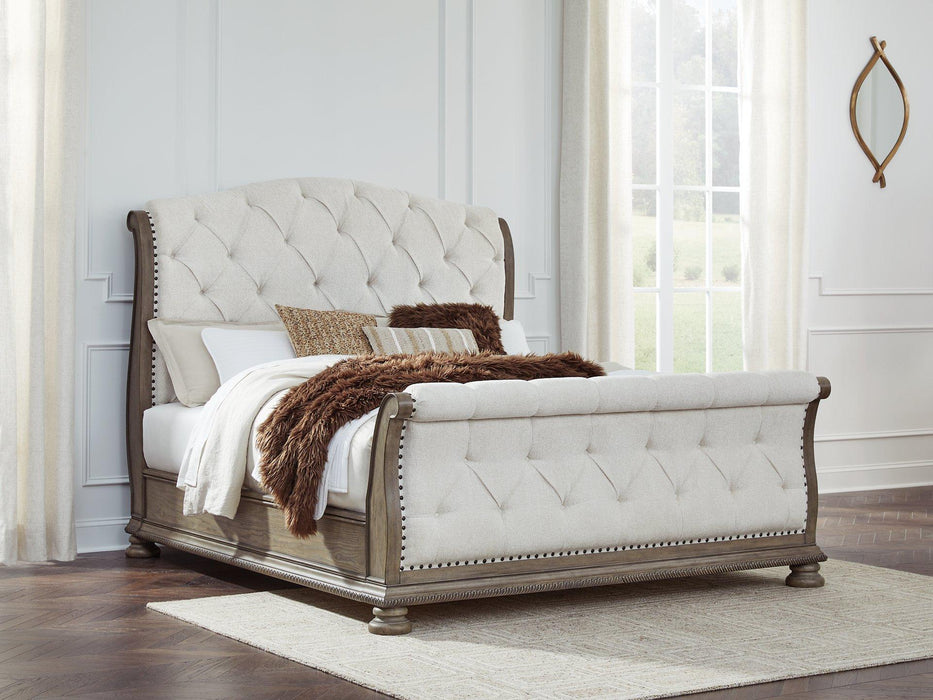
Your bedroom should be a comfortable and relaxing space designed around your needs. At Casa Bella Furniture, our bedroom furniture collection includes beds, dressers, nightstands, and storage solutions crafted to fit your space and lifestyle. Each piece is selected for durability, comfort, and lasting quality to help you create a bedroom that feels welcoming and well-organized.
Explore our bedroom furniture selection today and find the right pieces for your home. Whether you’re refreshing a single item or furnishing the entire room, Casa Bella Furniture offers options that combine style, functionality, and everyday comfort.